
Free Class: Schedule Your Micro-Budget Film
(Without Losing Your Mind)
A Practical Mini-Class for Micro-Budget Filmmakers
A quick, practical walkthrough of how to build a stripboard schedule by breaking down your script and organizing scenes by location + day/night + cast availability—so you stop guessing and start planning like a pro.
Get the Free Scheduling Class
No spam. Just filmmaking tools you can use.
You don’t need a bigger budget.
You need a better schedule.
If you’re making a micro-budget film, your schedule is basically your survival plan. In this free class (about 26–28 minutes), I walk you through how to schedule using a stripboard, how to shoot out locations to save time + money, and how to group scenes in a way that doesn’t set your whole production on fire.
What you’ll walk away with:
-
A clear method to organize scenes by location, day, night
-
A smarter way to group scenes around cast availability
-
How to plan for reality (because reality will happen)
-
The #1 mindset shift: flexibility isn’t optional—it’s the job
“This is for you if…”
✅ You have a script (or a draft) and you’re trying to figure out: “How many days is this?”
✅ You keep building schedules that look cute… then collapse on Day 1
✅ You’re shooting in real locations and need to stop bouncing around
✅ You want to look like you know what you’re doing when crew asks, “What’s the plan?”
✅ You’re doing this indie (or micro-budget) and every hour matters
What You’ll Learn
Schedule like somebody who’s made a movie before.
In this class, you’ll learn how to:
1) Break down your script for scheduling
So you’re not scheduling off vibes.
2) Sort scenes the smart way
By location + day/night so you can shoot out locations and cut company moves.
3) Estimate how long scenes take
Because “we’ll just knock it out” is how films run behind.
4) Group scenes around cast availability
So you’re not rebuilding the schedule every time someone’s auntie changes plans.
5) Build flexibility into the schedule
Because weather, actors, locations, and life love to freestyle.
Bonus reality check: When it’s worth hiring an Assistant Director (and when you can’t afford not to).
What You’ll Need
No fancy software required.
Bring:
-
Your script (or scene list)
-
A notebook / notes app
-
Your brain (but I’ll do the heavy lifting)
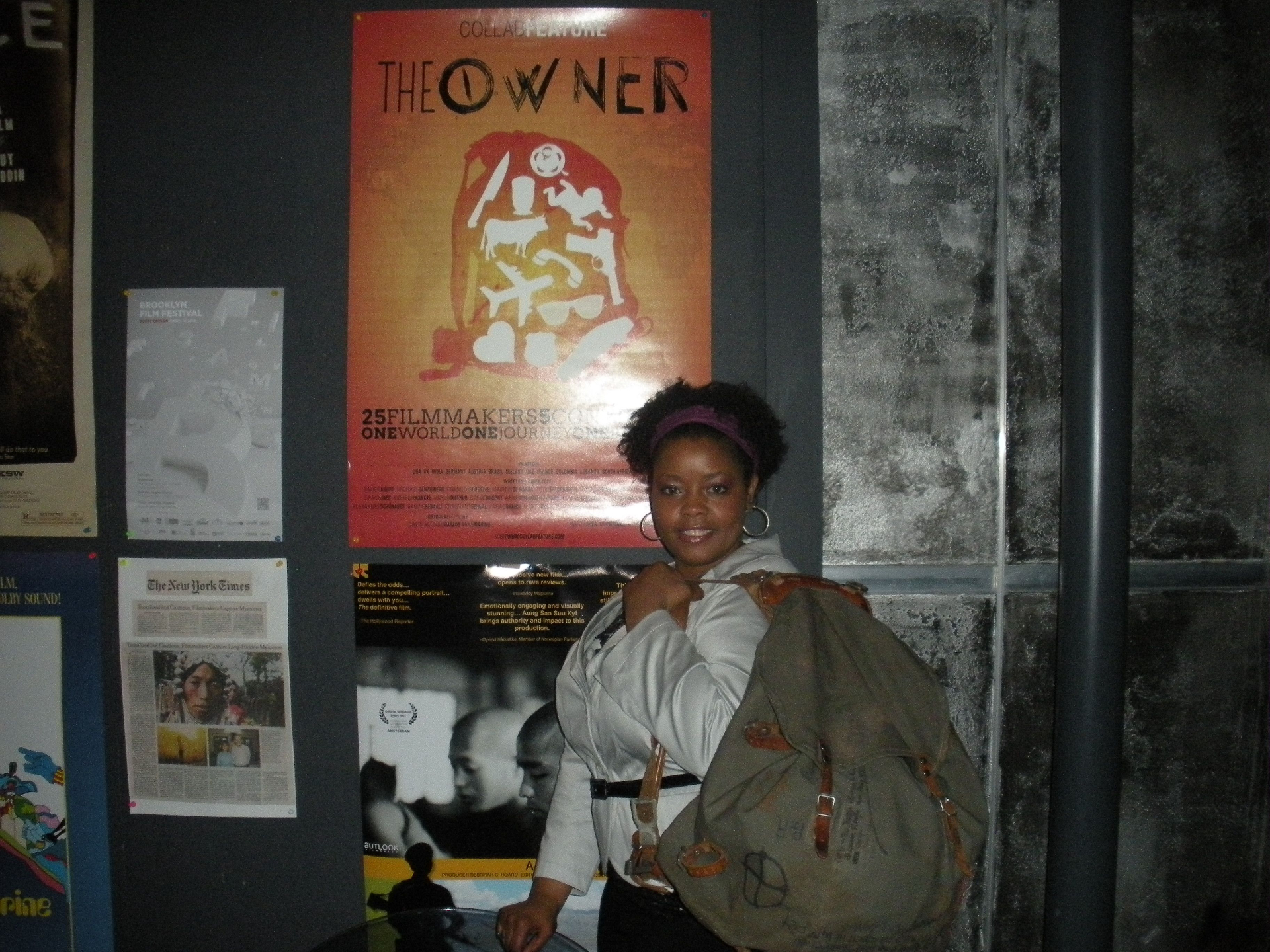
WHY LEARN FROM NICOLE SYLVESTER?
I’m Nicole Sylvester—award-winning filmmaker and micro-budget film educator. I teach filmmakers how to make high-quality work with the resources they actually have, not the resources they wish they had.
My style is simple: practical, honest, and built for indie life.
Ready to stop guessing and start scheduling?
Pop your email in and get access instantly.
FAQ
Is this for total beginners?
Yes. If you’ve never made a schedule before, you’ll finally understand what to do and why.
Do I need Movie Magic Scheduling or special software?
No. The concepts work whether you’re using software, a spreadsheet, or index cards on the wall.
Will this help for shorts too?
Absolutely. Shorts get messy fast when you don’t plan—this keeps you tight.
What if I don’t have my final script yet?
Still useful. You’ll learn the system now so you’re ready when the script locks.
How long is the class?
About 26–28 minutes—quick, focused, and practical.
Want me to walk you through the whole filmmaking process?
If this class helps, you’ll love my full training:
Movie Making Masterclass: How to Make Your First Feature Film on a Micro-Budget
From idea → planning → production → post → positioning. No fluff. Real steps.
Buttons: