🎬 How to Stay Creative When You’re Broke
Mar 25, 2026
Let’s talk about being creative when you’re broke. I’ve written about art and money struggles before, “Those Who Can Teach — so they can keep doing.” In that post, I talked about side hustles for creatives to keep money flowing. You can read that one HERE.
But today I want to talk about something different:
How do you stay creative when the bills are due?
As an artist of… ahem… a certain age (the best age ever), I’ll admit I bought into the old “starving artist” mindset. Not only did I believe it but I wore it like a badge of honor. I even turned down well-paying opportunities on non-movie projects (commercials, industrials, etc.) because I didn’t want to be “seduced by the money.” Hahaha, silly girl.
Back then, I thought it would pull me away from my dream. Today I see it differently.
That work funds the dream. Which is why you have to create regardless of your bank account balance.
It sounds counterintuitive, right? Let me explain. When money is tight, your brain is consumed with How am I paying rent? What bill is due next? If I don’t get a project soon I’m trouble.
And the idea of sitting down to write a screenplay or plan a shoot (with no money I might add) feels… unrealistic. Trust me, I know. But here’s the truth:
The reason you must create during this time is not just for your career but for your sanity. Accessing your creative brain improves your mood, relieves stress, increases problem-solving (which might help with figuring out the bills. boosts dopamine and regulates emotion.
That’s not me being motivational, that’s backed up by science. But for me, it does something even more important:
It keeps me from feeling like I’m drifting further away from my current goal – whatever that may be at the time.
This thing of ours (in my Tony Soprano voice) is feast or famine. You either have too many projects at once or absolutely nothing going on. No need to rehash how tough things have been recently. But I will say that I do see it getting better. Everyday I see a new headline announcing another deal. Hollywood seems to be embracing features films again. And when Hollywood thrives, we all feel it, even if your work is miles away (in scale and proximity) from LA.
🎬 The Ritual: Staying Creative AND Financially Grounded
To survive both creatively and financially, I’ve built a structure for my day. Not groundbreaking in premise but it works — and sometimes that’s all you need.
Build a Daily Schedule
Block out hours in the day for everything on your to do list. You should be doing this whether you’re flush with cash or not. Honestly, it’s the single most effective way that I have found to stay productive. Your schedule should include:
- time to exercise
- job searching or work hours
- mental focus / meditation
- creative time
- networking / email
- financial check-ins/budgeting strategy
- family / social / spiritual time
I’ll leave the last two on the list for you to work out. I want to focus on the ones that will actually keep you moving forward and lead to the most productivity.
💪 1. Start with Exercise
I’m a morning workout person. If I don’t do it early, it’s not happening. Some people prefer the evening. Obviously, do what works for you, but here’s why I recommend starting your day with it: it boosts energy, improves focus throughout the day and gives you an early win.
That feeling of accomplishment puts you in the right mindset to set up your day for success. You need momentum.
💼 2. Work or Seek Work (Treat It Like a Job)
If you have a job, great, this block is covered. Unless your job sucks. In that case, follow along.
Schedule dedicated time to find work with no distractions. Really, NO distractions. No social media, no taking phone calls, no quick google searches for something that randomly came to mind. Put your phone on DND. Treat it like you’re on a job and you can’t take calls or search the internet.
Spend a minimum of 4 hours searching. Start with film-related job sites like Mandy, Staff Me Up, Entertainment Careers, etc., then branch out. Yes, a lot of these sites will be garbage or just not related to your skills, but it’s like dating — you’ve got to go through the bad to get to the good. Then search film-related Facebook groups. Surprisingly, these groups can be a good source for short-term work or networking that could eventually lead to work.
Then dedicate some time to LinkedIn. If you can afford Premium, it’s worth it; however, you can still make LinkedIn work without paying for it. Make a point to engage by commenting on other posts, as this helps boost your profile. Spend time researching which companies have upcoming projects in the works, and if you can’t connect with them directly through LinkedIn, go to their websites and reach out there. Also, check your network to see if anyone has connections to companies you’re interested in and reach out through them. That’s why LinkedIn exists. Also, post regularly about the industry or things of interest. Be sure to post that you’re available for work — do this on Facebook as well.
I would normally suggest being creative at the top of the day. But if you’re like me, when money is tight, you wake up feeling anxious. And it’s hard to get through the day because, in the back of your mind, you’re only thinking about money and feeling guilty. But if you spend a solid block of time looking for work, putting out feelers, and virtual networking, you’ll feel more hopeful and you can clear your mind and be ready to be creative.
🧘🏽♀️ 3. Reset Your Mind
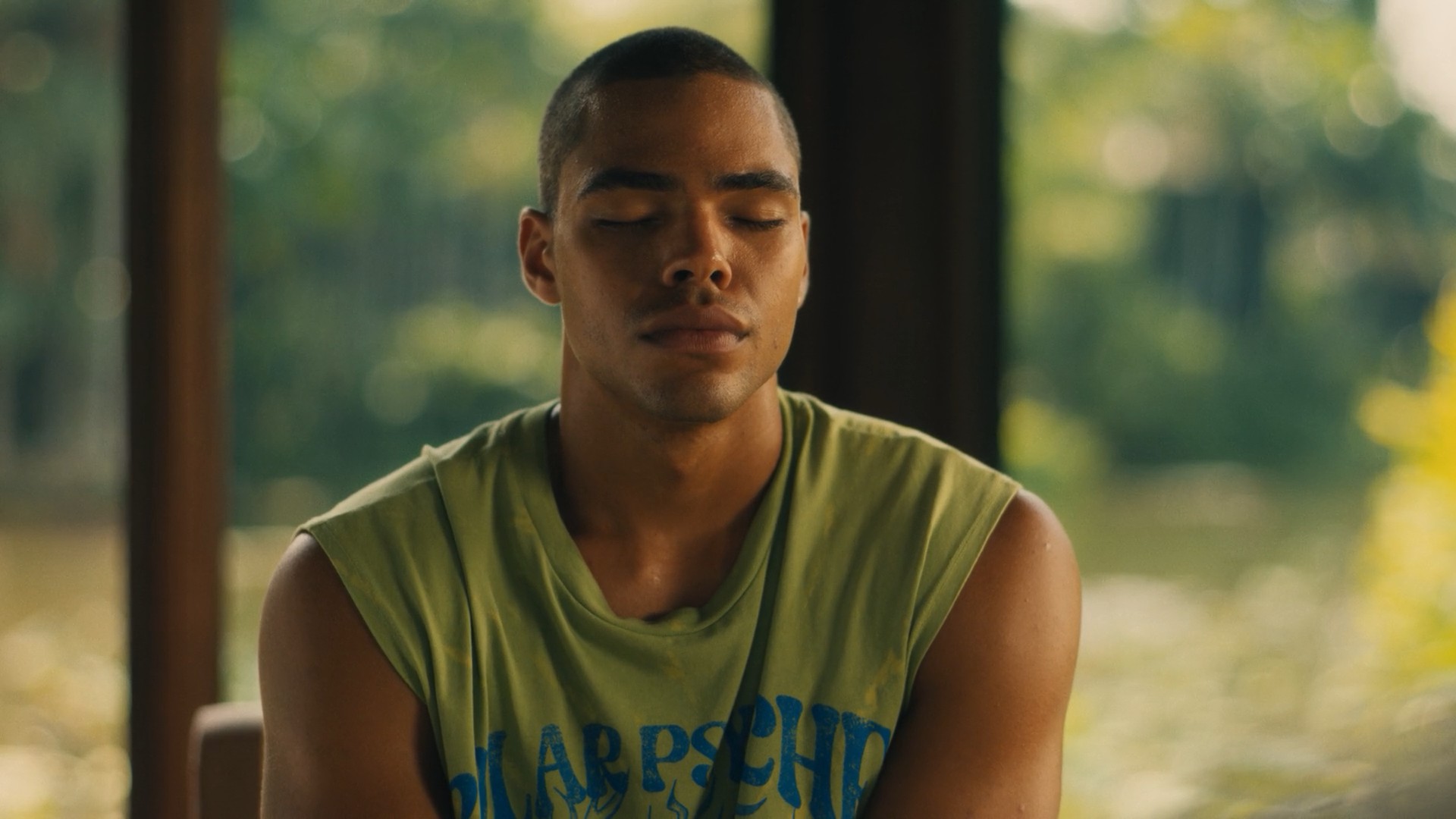 After all that, you’ve applied to a ton of jobs, you’ve reached out to numerous people in your network. You put it out in the universe that you’re open you then need a brief reset. Refocus your mind by meditating or reorient yourself.
I don’t know enough about meditating to instruct you in that bur for me, I keep it simple. I sit quietly with my eyes closed. I practice deep breathing and I stop my brain from thinking about anything that’s not creative. Other things that would be listening to music, take a short walk and get fresh air (yes, even in NYC)
Just give your brain a moment to recalibrate.
🎨 4. Now — Create
Now for the fun part. At this point, it’s probably early afternoon — the perfect time to be creative. You’ve already accomplished a whole lot:
✔ moved your body
✔ searched for work
✔ reduced anxiety
Now you can actually focus creatively. Block out at least 3 hours. I like to schedule my creative blocks by creating a checklist of what I want to accomplish. However you handle yours, make sure you have a plan. Again, no distractions. Silence the phone — no social media, no email. And if you’re not initially feeling inspired, do something to get into that creative space:
- research for a project
• character work for your next script
• mood boards for your passion project
• journaling or stream-of-consciousness writing
• practicing pitching
Just keep the creative muscle active and the energy flowing.
📧 5. And lastly — virtual networking and emailing.
 In my previous life as a production coordinator, I swear 95% of my job was emailing and checking email. The entire production — cast, crew, agents, producers, studios — communicated through email. Even if you were sitting right next to someone, they’d still email you. Part of it is CYA, part of it is efficiency, and part of it is just how this industry runs.
So, email? It’s part of the job. It’s part of networking. It’s not going anywhere.
But here’s where people get tripped up.
Because it’s so important, it starts to invade your entire day. You hear a notification, see a flash on your screen, and immediately feel like you have to check it. Every few minutes. All day long.
Don’t do that.
That constant checking will kill your focus, break your momentum, and honestly, it can mess with your mood depending on what’s in that inbox.
Instead, control it.
Schedule one or two dedicated blocks of time during the day where you check and respond to emails — and only check it during those times.
Then, at the end of your day — around 4 or 5pm — sit down and spend about 1–2 hours going through everything.
Respond to any job emails, Facebook posts, or inquiries you put out earlier. Follow up where needed. Keep the conversation going.
Use this time to intentionally reach out to people in your network. Let them know you’re looking for work. Ask what they’re working on. Stay connected.
Also, check your inbox for any networking opportunities — industry events, mixers, screenings — anything that could put you in the room with the right people.
This is your focused networking time.
Not reactive. Not scattered. Strategic.
And once you’ve done that?
Close the laptop. That’s a 9/10-hour highly productive day.
You’ve done your job for the day!
🎬 Final Thought
When you’re broke, it’s easy to feel stuck. It’s easy to put off being creative. But if you follow a structure like this, something shifts:
- your anxiety lowers (making you feel less desperate)
- your confidence rises (creativity off the chart)
- opportunities start to appear (thank you Universe 🌏)
Even if nothing happens immediately, you’ve laid the groundwork. And I can almost guarantee you this:
It will pay off.
Yours in filmmaking,
Nicole
Making the movie is only part of the job. Understanding contracts, credits, distribution, backend participation, and where the money actually goes matters too. I cover the business side of independent filmmaking—and the things filmmakers often don't think about until it's too late—in the Movie Making Masterclass.
🎬 The Microdrama Playbook
Microdramas are exploding and changing the entertainment industry. Learn how to create binge-worthy Vertical Series without sacrificing great storytelling.
When you sign up for a resource, I'll also send you email updates on my latest blog posts, VIP content and the occasional product recommendation. Of course, I will always respect your privacy and data.
Author