🎬 Filmmakers, Your Audience Isn't Going to Build Itself
Oct 14, 2026
What do Backrooms, Iron Lung, and the Marvel Cinematic Universe have in common?
Their success was built, at least in part, on audiences that already existed before the movies hit theaters.
Now, obviously audience building isn’t new. It’s always been the foundation of the movie business.
Trailers. Behind-the-scenes specials. Press tours. Television appearances. All designed to generate excitement and convince people to buy a ticket.
Even sequels are built on the idea that people who loved the first movie will show up for the next one.
But what is new is the idea of filmmakers and creators building audiences on YouTube, Instagram, TikTok, and other platforms will translate to butts in movie theater seats.
Audience building has become a must for filmmakers and I don’t just mean around their one movie release. Look at Backrooms. Kane Parsons developed an audience through his YouTube horror videos before directing the feature for A24.
Or Iron Lung. Markiplier spent years building an enormous following on YouTube before making his feature. Then mobilizing that audience to support the film in theaters.
Then of course there’s Marvel, whatever you think of them or the movies, they spent years building an audience around an interconnected universe of characters and stories.
You may not have MCUs reach but the principle is the same.
People are more likely to show up when you’ve already given them a reason to care.
Build an Audience for Your Movie. But Don’t Stop There.
Here’s where I think independent filmmakers need to change how we approach marketing.
In the past, we’d spend years developing a project. We’d raise the money, shoot the movie, finish post-production, and start submitting to festivals. And somewhere along the way, somebody asks:
Who’s your audience? Uh...
Everybody who likes good movies?
Yeah, that’s not going to cut it today. Not that it ever did. I’m of the opinion that there’s an audience for every movie, so I’m not suggesting we make movies based on what we think audiences want. You’ve heard the saying: people don’t always know what they want until you show them. I believe our job as filmmakers is to tell the stories we want to tell.
Of course, we should identify and build an audience for each film. But what happens when that movie has finished its run? Do we start all over again?
In the days of social media filmmakers should also be building an audience around their brand, their creative voice, their interests, their journey, and ultimately their body of work. Unless you’re an already established filmmaker, branding and social media is a must.
That doesn't mean everybody who follows you will love every movie you make. They won't. A horror movie may attract a completely different audience than a family drama.
But it does mean you're developing relationships with people who may be interested in what you do next.
Having said all that, I have a confession.
I don’t want to do any of that. I just want to make movies.
I want to develop the story, raise the money, hire the crew, direct the film, finish it, and let somebody else handle getting it out into the world. That’s the dream.
But as I thought about this post I realized something. Even though that's always been my ideal scenario, it has never been my reality.
From negotiating my first distribution deal back in the early 2000s to navigating distribution for Maya & Her Lover, I've had my hands in nearly every aspect of the filmmaking process.
And now that process includes building an audience and my personal brand. I won't pretend this is the part of filmmaking that excites me most. I roar like a lion but I’m really a shy kitten.
But the industry is changing – I know I say that almost every post, but it is. And I recognize that if I want to continue making independent movies (especially microbudgets), I need people who want to watch them and it’s kind of on me to reach that audience. Distributors are increasingly paying attention to your reach, your following and they are interested in your work. Backrooms director Kane Parsons wasn't plucked out of obscurity. When Hollywood came knocking on his YouTube door, he already had an established audience and you can bet that was part of the appeal.
So, I've developed a 30-day audience-building plan, and I'm committing to following it consistently.
We'll see where I am after those first 30 days.
In the meantime, I'm challenging other filmmakers—especially those of us without a built-in audience—to do the same.
I've been researching ways to grow an audience organically, and here are a few approaches I think are worth trying.
Five Ways to Start Building Your Audience
- Be Yourself

Authenticity.
I know. Everybody talks about it.
But there's a reason. Think about some of your favorite people. Messy, loud, funny. You connect with them because of who they are.
Don't try to manufacture an online personality because you think that's what people want. That could totally backfire.
Just be yourself.
Will there be some haters? Absolutely.
Will some people scroll right past your posts? You do it so you know they will.
But others will connect with your personality, your perspective, your humor, your filmmaking style, or your experiences. And that’s your audience. Those are the people you want to build relationships with.
You don't have to appeal to everybody.
- Don't Make Doom-Posting Your Brand
It’s human nature to gawk at a car accident or to watch someone crash and burn. Companies are built around it. There is enough negativity online to last several lifetimes.
And yes, I know. Sometimes things are bad. Especially in this industry.
I'm not suggesting that filmmakers should ignore what's happening or pretend everything is wonderful.
But I think there is a way to post your frustrations - because that’s authentic – without contributing to doom and gloom.
Talk about the challenges. Share the disappointments. Speak your truth. But when you can, offer some perspective, an alternative, or a way forward. Presenting a problem with a solution or some type of guidance is everything.
I think people appreciate honesty. But they also appreciate hope.
- Consider Repurposing Work or Creating a Vertical Series
Here's something I’m kind of excited to experiment with.
If you've already made a short or feature film, consider repurposing it into a vertical episodic series. You may not be able to end each episode on the dramatic high you would of a microdramas but you can end on an interesting note. It’s a great way to build new interest in an older project.
You might introduce characters, build suspense, or release a series of short scenes that encourage viewers to come back.
Some people may follow the series. Others might seek out the original film.
Either way, you're giving your work another opportunity to find an audience.
I definitely think it's worth exploring.
- Create Visual Content Before You Have a Finished Film
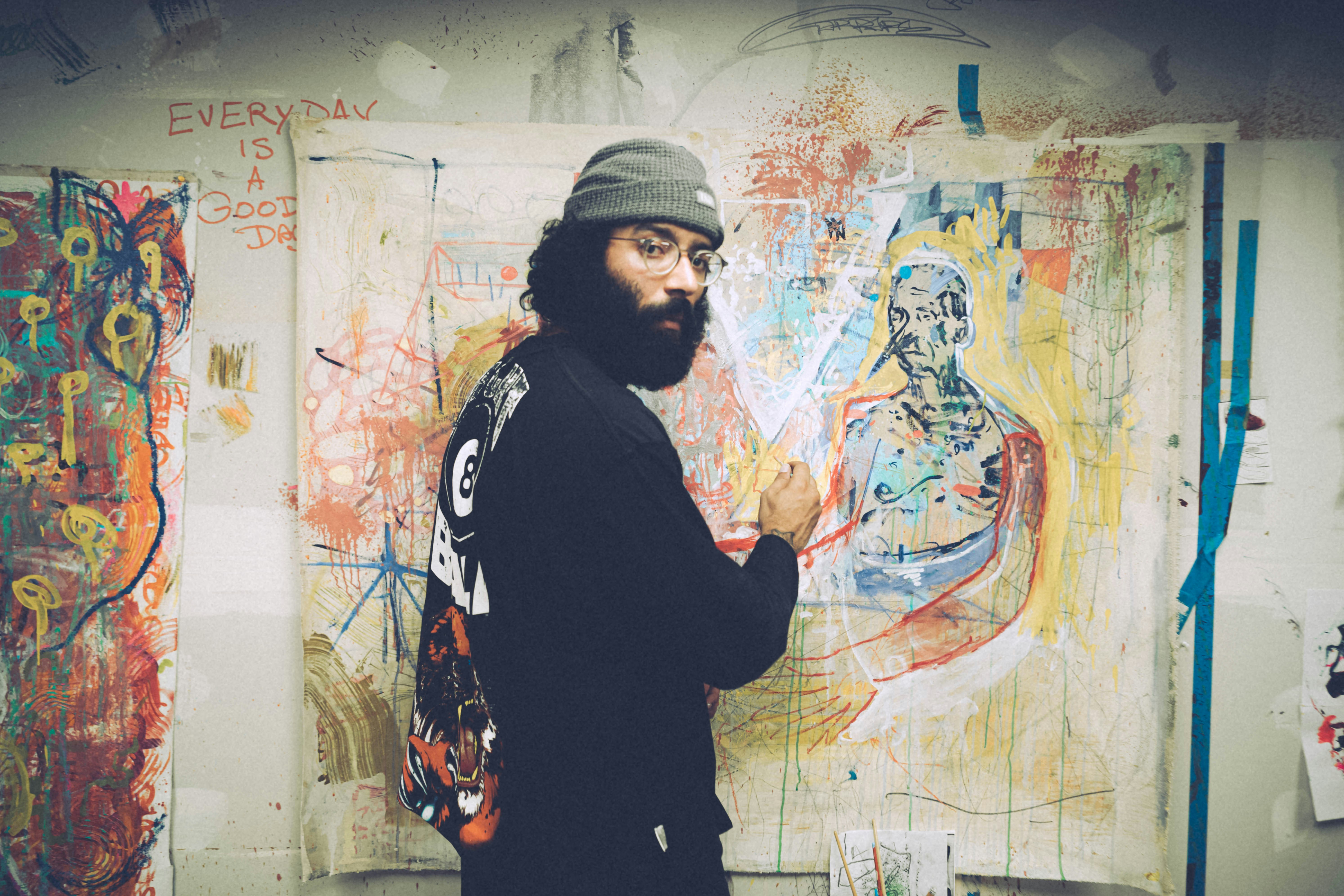
What if you haven't made your first movie yet?
You can still start building an audience.
Create content with your phone. Document your writing process. Share location scouting. Talk about the subject matter you're researching. Introduce the world of your story.
If your film explores a particular community, historical event, profession, or social issue, you might create short videos around those subjects.
You're not necessarily selling the movie yet.
You're introducing people to the ideas and interests behind it. This helps create anticipation.
And when the movie is ready those people will already be interested.
- Build a World Around Your Movie
This builds on #4 but I want to dig a little deeper because this is where filmmakers can really get creative.
Remember The Blair Witch Project?
It’s thought to be the first widely released film whose marketing campaign primarily used the internet to market they film. Their creative used the internet to blur the line between fiction and reality, building curiosity about the story long before the film was released. College students were convinced that they story was true.
A more recent example of this is the marketing campaign for Weapons. It included a fictional local-news website reporting on the disappearance of children in the movie's fictional town.
Instead of a glossy Hollywood website, they made the site clunky to appear more realistic to a small-town news outlet.
These campaigns were used creative marketing to build audiences who were excited to explore the world of the movie before watching it.
And you don't need a studio marketing budget to borrow the underlying idea.
Could your film have an Instagram account belonging to one of its fictional characters? An account dedicated to the folklore.
Could you create a community around the subject matter?
Could you organize a small gathering, virtual discussion, or local event that connects people to the story?
Think beyond the trailer.
Give people something to discover, participate in, and talk about.
Also, don't build your entire audience on borrowed ground. Remember the TikTok ban of 2020 and how scared it had creators.
Instagram followers are great. YouTube subscribers are great.
But platforms change. Algorithms change. Accounts get suspended. Reach disappears.
So, while you're building your audience on social media, think about how to develop a more direct relationship with them.
An email list is one option. A website, newsletter, or community can also give people a place to find you outside the social platforms.
Because the goal isn't just to get people to follow you.
It's to build relationships that continue beyond a single post, platform, or movie.
So that's what I'm going to do.
Create. Share. Engage. Experiment. Measure. Adjust.
And most importantly, keep making movies.
Because audience building shouldn't replace filmmaking.
It should help make the next film possible.
I'm putting together a free 30-day audience-building challenge for filmmakers who want to grow an audience around themselves, their next film, or both. I'll be sharing my own experiments along the way, and I'll have more information about how you can participate soon.
Yours in Filmmaking,
Nicole
Making the movie is only part of the job. Understanding contracts, credits, distribution, backend participation, and where the money actually goes matters too. I cover the business side of independent filmmaking—and the things filmmakers often don't think about until it's too late—in the Movie Making Masterclass.
🎬 The Microdrama Playbook
Microdramas are exploding and changing the entertainment industry. Learn how to create binge-worthy Vertical Series without sacrificing great storytelling.
When you sign up for a resource, I'll also send you email updates on my latest blog posts, VIP content and the occasional product recommendation. Of course, I will always respect your privacy and data.
Author