🎬 Sh*t I Should’ve Done #4: Never Release a Rough Cut You’re Not Prepared to Defend
Jun 09, 2026
I’m part of the programming committee for a film festival that recently wrapped up. It’s always a fun process because I get to watch a ton of movies. Even the ones I don’t like or that don’t ultimately make it into the festival. As a filmmaker, it’s encouraging to see what people are creating.
This year was especially exciting.
For all the noise and rigamarole about theatrical films dying, filmmakers are still committed to storytelling and thriving creatively. SFFF is still an up-and-coming festival, so we had to limit the number of films we screened. The downside is that there were many great films we simply couldn’t include. However, I walked away feeling encouraged by what I saw.
What I really want to talk about, though, is works-in-progress.
Should you submit a work-in-progress to a film festival?
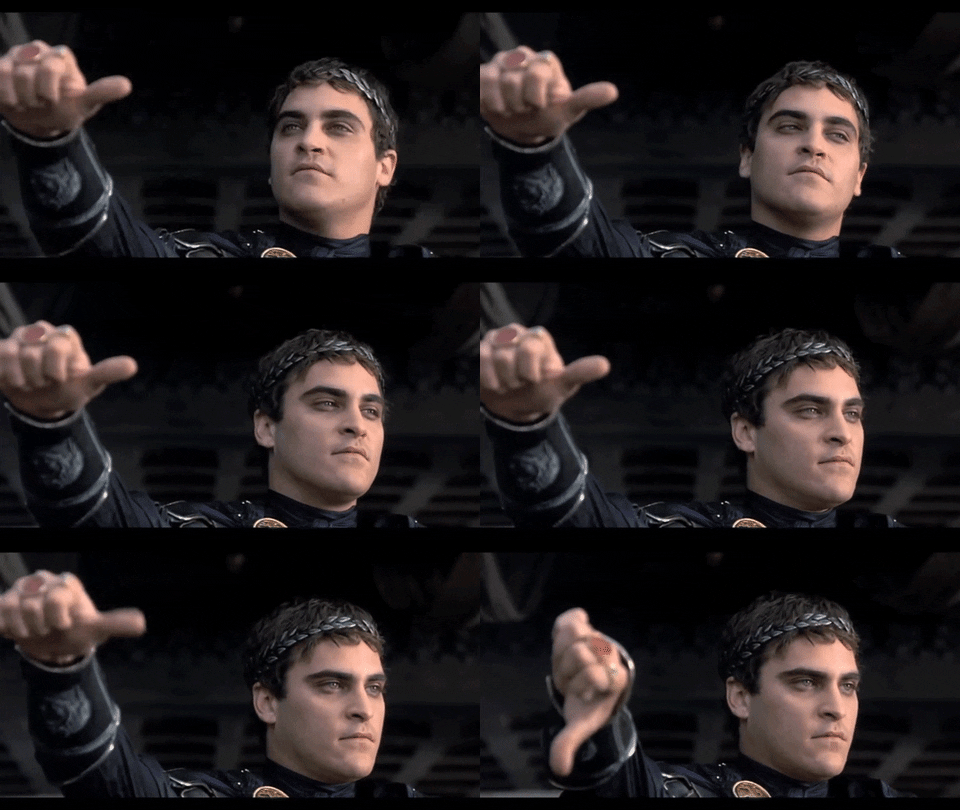
I’ve been on both sides of that debate.
As a director, I submitted a work-in-progress to disastrous effect. As a programmer, I’ve requested works-in-progress because, after years of making films and sitting through countless edits, I can usually see the finished movie hiding inside the rough cut.
Not everyone can - that’s fair. "And to be clear, when I say rough cut, I don't mean a film that's half-finished. I mean a film where the picture is locked—or very close to it—the story is intact, but the color correction, sound design, and VFX haven't been completed yet."
Recently, I requested a work-in-progress that I absolutely loved. I could see the finished film immediately, but not everyone on the committee could. That reminded me of a time when I submitted a rough cut of my own.
When I submitted the aforementioned film to a festival, it was at the request of the writer. He had a relationship with the festival, and they were interested in potentially programming the film.
I explained to him—and to them—multiple times that the movie was a very rough work-in-progress.
They assured me they understood. We’re filmmakers too!
So, we sent it. My producer, who was against sending it in the first place, crossed her fingers and wished for the best.
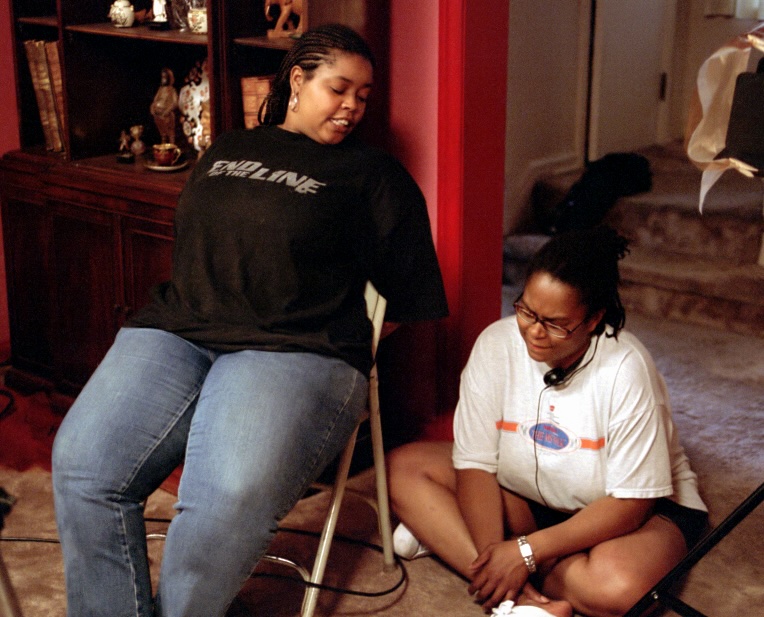
Our wish was not granted.
The writer called me afterward with a stinging rebuke from the festival. Acting as a surrogate for them, he essentially asked why we would submit such a monstrosity.
No amount of "Remember when we told you it wasn’t finished?" seemed to matter.
They weren’t convinced the project could even become a viable film.
In fact, they almost convinced the writer he had wasted his time working on it.
I was flabbergasted.
First, I was annoyed that I had allowed them to convince me to submit the rough cut. Then I was angry that they chastised me as if I had somehow wronged them!
But when something similar happened later, I realized what was really going on.
The project had been funded by a grant. To receive the balance of the grant money, I had to hit certain milestones. Finishing the film was one. The problem was that I couldn’t afford to finish the film without the remainder of the grant money, and I couldn’t get the remainder of the grant money without finishing the film.
A classic chicken-or-the-egg situation.
So, being an enterprising poor filmmaker, I fudged it a little.
I had an editor friend cut together a shorter version of the movie. It was originally a feature, but as long as we delivered a 60-minute project, we met the grant requirement.
We even retitled it so nobody would confuse it with the eventual finished film.
Now let me be clear. This version was bad. Bad, bad, bad.
Melodramatic. Terrible music. Bare-minimum editing.
No one was supposed to see it.
The plan was simple: submit the one-hour version, receive the grant funds, finish the real film, and replace the rough version with the polished one.
Sounds like a plan.
Kind of.
But what had happened was...
Part of the grant requirement was that the completed film would air on local cable television as a way to promote the grant program and its support of Detroit artists.
And yes, I knew that.
What I didn’t expect was how quickly they would put it on air.
We thought we'd have time. We did not.
That rough-cut version aired on local cable seemingly every day.
And let me tell you something: in the early 2000s, people in Detroit actually watched local cable.
The number of embarrassing phone calls I received was devastating.
One filmmaker friend in particular saw it and took the opportunity to absolutely roast me.
In his defense, he wasn’t experienced enough in the editing process yet and genuinely thought that was my finished film.
In my defense, it wasn't.
No matter how many times I explained that this wasn't the movie, that it had only been assembled to satisfy a grant requirement, he couldn't get past what he'd already seen.
To him, that version was the movie.
Period.
When the actual film was finally completed, we held a wonderful screening and reception at the Charles H. Wright Museum of African American History in Detroit.
The film played beautifully.
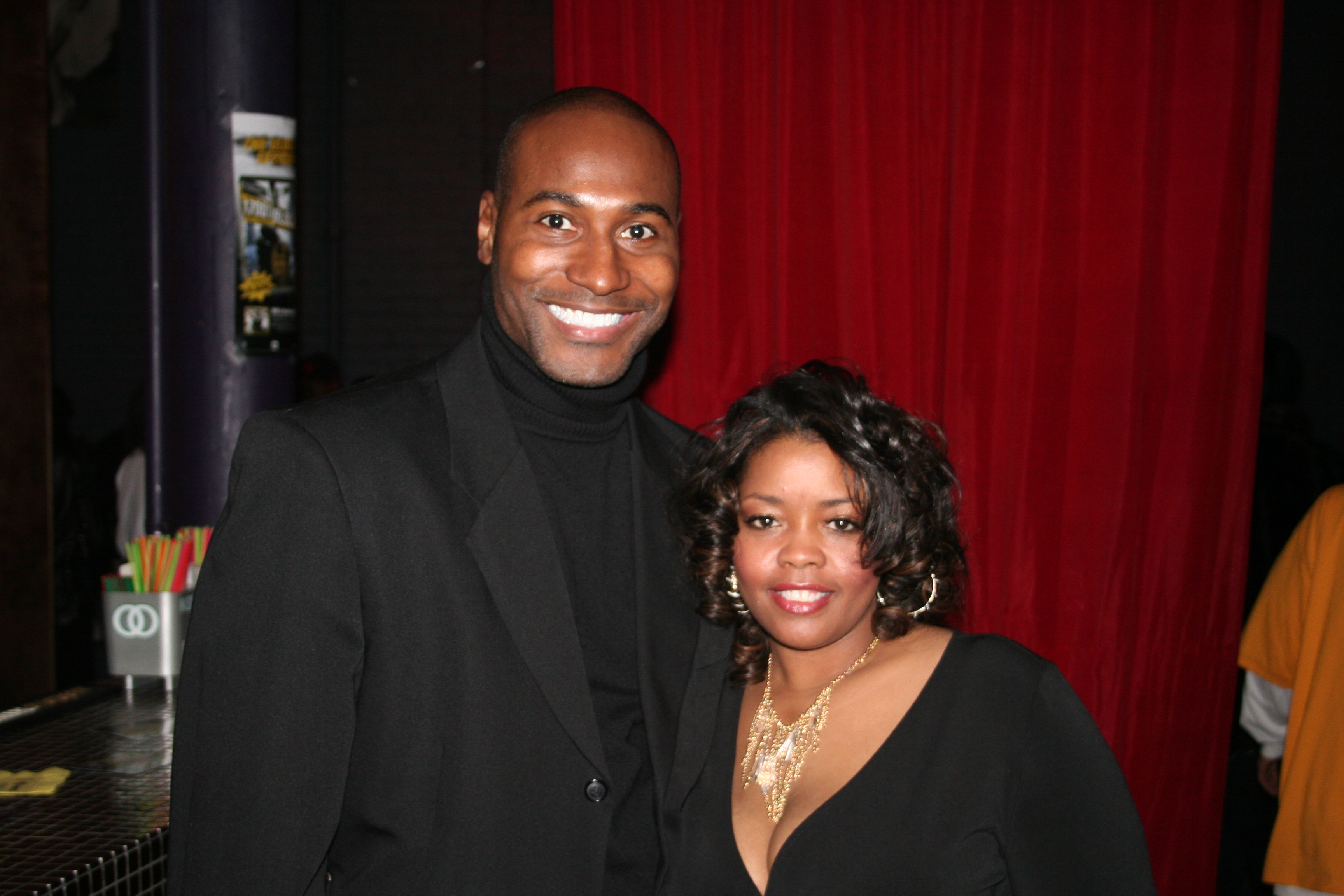
And afterward, that same filmmaker friend came up to me and admitted he was impressed by how well the finished movie had come together.
That’s when it hit me.
The problem isn’t necessarily submitting a rough cut.
Lots of festivals screen rough cuts.
The problem is vision. Vision is in the eye of the beholder. Some people can look past missing music. Some people understand color correction isn't finished. Some people recognize placeholder cards and temporary visual effects.
Others can't. And honestly, we shouldn’t expect them to.
When you’re reading a screenplay, you use imagination to visualize the characters and locations. Even on set watching a scene being filmed requires imagination.
But once someone sees a version of your movie—even a rough cut—they often stop imagining. To them, it simply is what it is.
That can happen with a finished film too. Sometimes people just don't like your movie.
That’s a completely different issue.
But a rough cut creates an additional hurdle because you're asking people to judge something that isn’t actually done.
The biggest lesson I learned is that you rarely get a second chance to make a first impression.
The first version people see tends to become the version they remember.
Unless they make a conscious effort to revisit it with fresh eyes.
I actually had to do that with Pulp Fiction. I wasn’t a fan the first time I watched it.
One of my best friends practically forced me to watch it again, and on the second viewing I loved it. Still not my favorite Tarantino film—but I digress.
The bottom line?
What I should’ve done was say "no" when the festival asked to see the film before it was finished.
And I should have never delivered a subpar version of the movie to satisfy the grant requirement.
If you learn nothing else from me. Learn this: only ever release work you’re prepared to stand behind.
That doesn’t mean it has to be perfect. It simply means it represents the best version you can reasonably create at that moment.
Because you never know how much vision—or lack thereof—the person watching it has.
And sometimes you never recover from that first bad viewing.
Making the movie is only part of the job. Understanding contracts, credits, distribution, backend participation, and where the money actually goes matters too. I cover the business side of independent filmmaking—and the things filmmakers often don't think about until it's too late—in the Movie Making Masterclass.
🎬 The Microdrama Playbook
Microdramas are exploding and changing the entertainment industry. Learn how to create binge-worthy Vertical Series without sacrificing great storytelling.
When you sign up for a resource, I'll also send you email updates on my latest blog posts, VIP content and the occasional product recommendation. Of course, I will always respect your privacy and data.
Author