🎬 The First Five Minutes Might Be the Most Important in Your Entire Film
Aug 06, 2026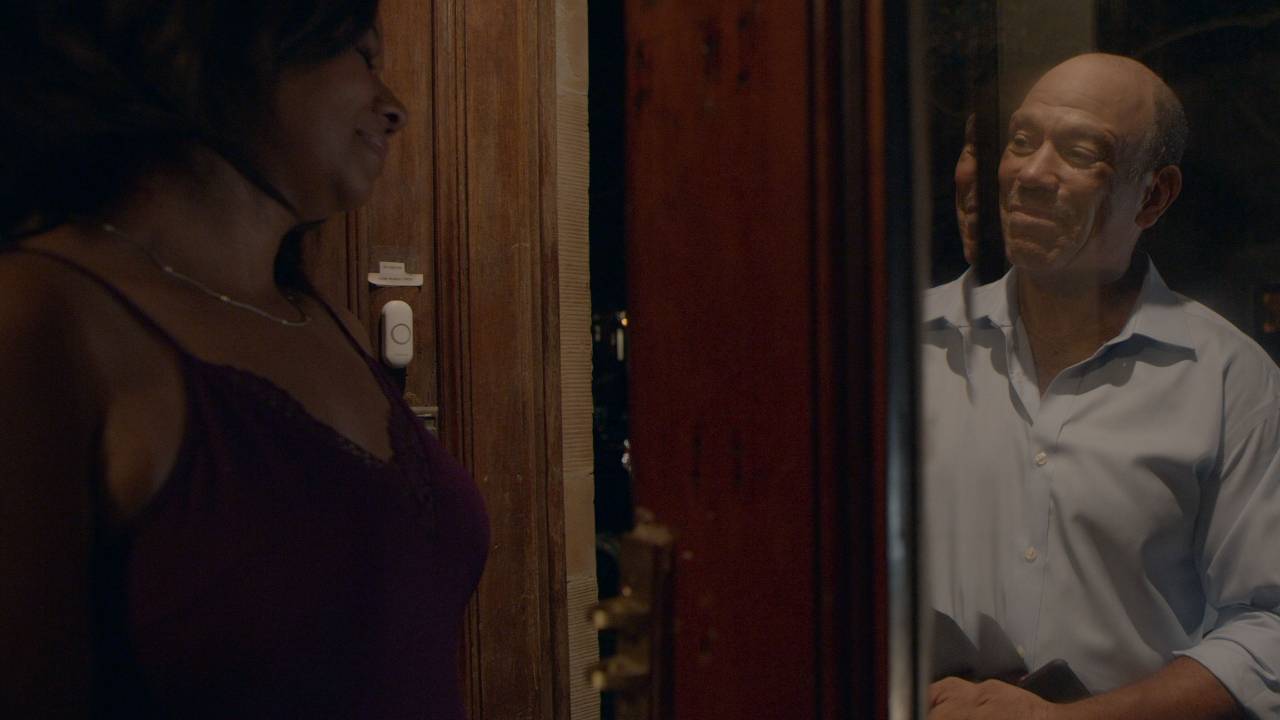
Let me tell you something.
I'm not one for labels, but when it comes to going to the movies, I can be a little OCD.
I have to get there before the trailers start. Early enough to grab a kid's popcorn and nachos. I prefer to sit dead center in the theater, high enough that I'm looking straight at the screen. I don't want to tilt my head up or down.
I don't get up to use the bathroom.
And if you like talking during the movie... I will gladly banish you to the other side of the theater.
I take this seriously.
The anticipation when the lights dim. The hush that falls over the audience. The studio logo appears...
It's a thing.
I've often wondered whether that experience was designed that way. Did distributors intentionally think about how to prepare an audience emotionally before the movie even begins? Or did it evolve naturally over time?
Either way, I think it matters. Which is why filmmakers and distributors hate the idea of commercials at the movies. By the time the trailers are over and the feature starts, the audience is ready.
They're primed. Now it's your job to reward them. That's where your opening scene comes in.
Your opening scene does an incredible amount of heavy lifting. It tells the audience what kind of movie they're about to watch. It's where they subconsciously decide:
"Oh... this is that kind of movie."
You can grab them immediately—or spend the rest of the film trying to win them back.
For me, I usually know within the first five minutes whether I'm going to like a movie.
Not always. I'm certainly open to changing my mind. If it's a filmmaker I trust or a story I suspect will eventually pull me in, I'll stick with it.
But if the opening doesn't make me laugh, cringe, cry, or simply make me curious, I feel the disappointment almost immediately.
Yes, I realize that's a lot of pressure to put on five minutes. My brain does a lot of gymnastics while watching movies. I can't help it.
Because of that, every screenplay I write begins with a strong opening. I genuinely love the opening scenes of my films. Now... where they go from there may be up for debate.
(I joke... sort of.)
But I can't overstate how important those first few minutes are. They're not just introducing characters. They're introducing a feeling. They're foreshadowing. Creating suspense. Setting expectations.
Inviting the audience to lean forward. A strong opening buys you some grace. If the middle drags a little, people hang in there because they're invested.
And if the ending lands, they'll often remember the entire experience more fondly because of how you made them feel at the beginning.
I don’t mean to sound dramatic but that's how powerful first impressions can be.
The opening scene of my movie Maya & Her Lover begins with Maya lying awake in bed, restless. The doorbell rings.
A man she has apparently just slept with returns briefly before leaving again. She comes back upstairs, still unsatisfied, masturbates, and then begins to cry. The credits roll.
That sequence wasn't designed for shock value. It was designed to tell you everything you needed to know emotionally about Maya before she said very much at all.
She's lonely. She's searching. She's settling. And she's not as okay as she's pretending to be.
In hindsight, though, I made a mistake.
The credit sequence that followed didn't support that opening at all. Period.
I used a montage of quiet, empty rooms over the credits, but the font, music, and pacing made the film feel melodramatic. It almost felt like a soap opera. And you know, that was not my intention.
My saving grace was the opening scene, thankfully. It carried enough emotional weight that audiences stayed with me even through the next scene that started off slow.
But it's a good reminder that every creative decision matters. The opening scene. The titles. The music. The fonts. They're all communicating something.
And all of them should be telling the same story.
A thoughtful opening can also make a micro-budget film feel far more cinematic than its budget.
There are plenty o great opening scenes out there. I could definitely write an entire blog just on opening scenes. But these are four I never get tired of watching:
- Beverly Hills Cop
- Drive
- The Harder They Fall
- The Devil Wears Prada
I don't even know what that list says about me. I just know every one of those openings makes me smile. I watch them randomly. Sometimes when I just want to fell creative.
Five Things Every Great Opening Scene Should Do
- Create curiosity or suspense.
- Introduce the tone of the movie.
- Be visually memorable.
- Avoid dumping exposition on the audience—let them discover the world naturally.
- End by making the audience lean in and want the next scene immediately.
Because if you can hook your audience in those first few minutes...
They'll follow you almost anywhere
Making the movie is only part of the job. Understanding contracts, credits, distribution, backend participation, and where the money actually goes matters too. I cover the business side of independent filmmaking—and the things filmmakers often don't think about until it's too late—in the Movie Making Masterclass.
🎬 The Microdrama Playbook
Microdramas are exploding and changing the entertainment industry. Learn how to create binge-worthy Vertical Series without sacrificing great storytelling.
When you sign up for a resource, I'll also send you email updates on my latest blog posts, VIP content and the occasional product recommendation. Of course, I will always respect your privacy and data.
Author